
With more than 300 roles on a film set, there are countless ways to build a career in the motion picture industry, each playing an essential part in bringing stories to life. The Voices from the Field series highlights professionals across departments to showcase the variety of paths into film and the unique contributions they make behind the scenes.
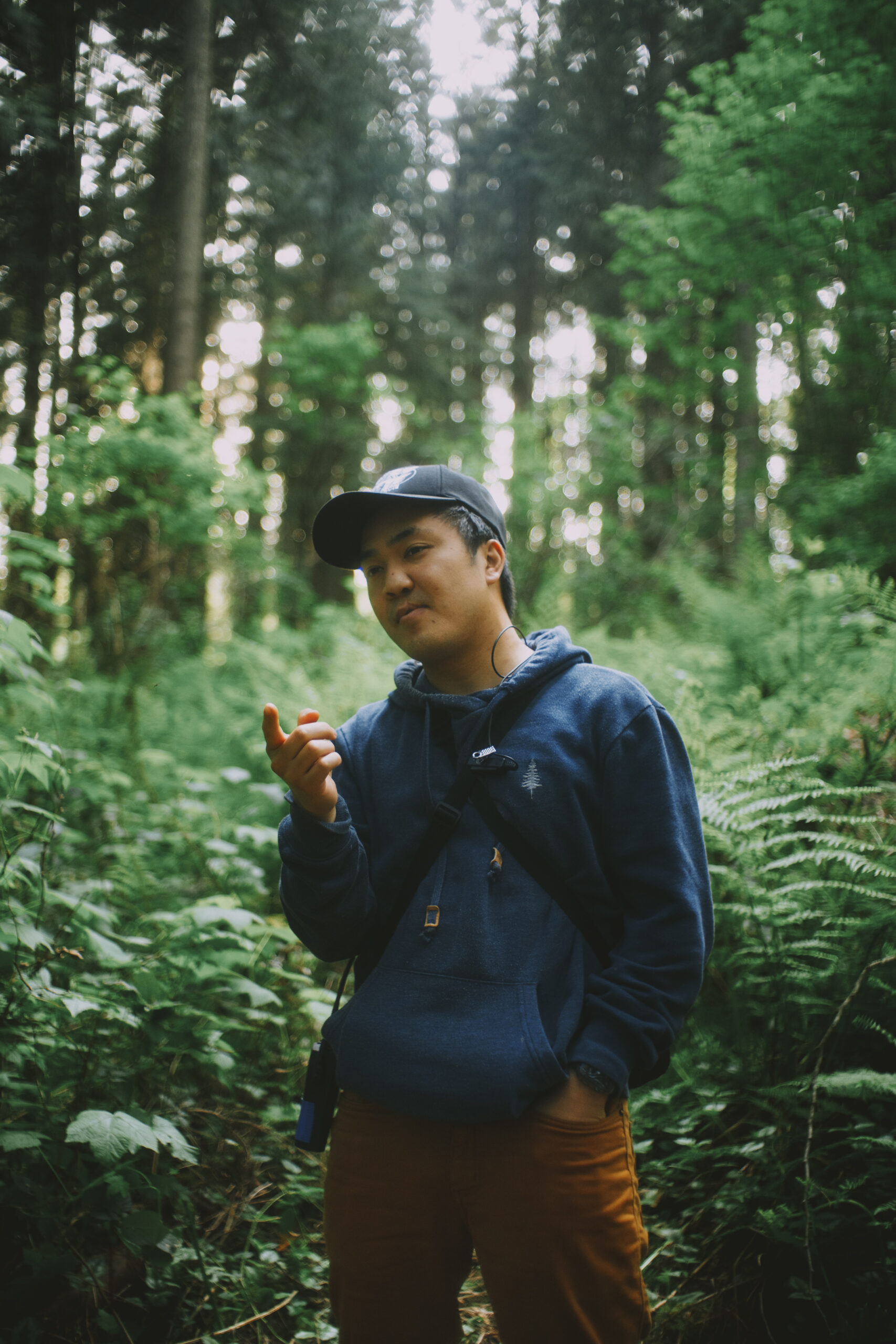
In this Q&A, we spoke with Andy Wong, first assistant director, filmmaker, and advocate for emerging talent in British Columbia’s motion picture industry. Beginning his career as an actor before transitioning into production, Andy discovered assistant directing after being recognized for his attentiveness and understanding of the filmmaking process on set. He has since advanced through the assistant directing ranks, building expertise in scheduling, logistics, and on-set collaboration while helping productions run smoothly behind the scenes. Here, Andy reflects on his journey into the industry, the skills and relationships that have shaped his career, and the advice he offers to those hoping to follow a similar path.
Can you tell us a bit about your background and what inspired you to pursue a career as an assistant director?
I knew I wanted to be a filmmaker very early on, but I didn’t know assistant directing was my career path until I actually stepped foot in the department.
I began my career in film as an actor over a decade ago. When auditions and work dried up, I decided to learn about film production by going to SFU’s film program. I got onto a film set pretty quickly after graduation as a PA from social media groups (like BCPAX). I dabbled between multiple departments until one day, because I was attentive on set (due to my film experience) I was noticed by an AD team. I was brought on as a trainee assistant director (TAD) on their next show. Through experience, I recognized the valuable filmmaking skills you learn as an AD such as scheduling, blocking, and logistics. I decided to further pursue the positions going from TAD, 3rd AD, 2nd AD, and ultimately 1st AD.
What do you enjoy most about your role, and what keeps you passionate about the film industry?
There’s a lot of reasons I enjoy my role as an assistant director:
- The access to executives,
- The opportunity to have a seat at the table in prep and voice your concerns,
- The collaborative process to problem solving,
- The creativity behind setting background.
What really keeps me passionate about the film industry is the infinite possibilities. From not knowing which beautiful B.C. location you’re going to film at next, to the instability of the film industry in general, the ever changing nature of this industry is challenging and exciting. Despite the uncertainty and challenges, I believe in a bright future for the Canadian film industry and I’m proud to be a part of it.
Is there a memorable moment from a production that reminded you why you love what you do?
As an assistant director, a major part of the job is building trust with the actors. They want to know you are engaged in making the best film possible as well. Sometimes building that trust means stepping outside of your job category and using your real life skills to support them. On the feature film BAD GENIUS, actors Benedict Wong and Callina Liang played a Cantonese speaking father and daughter. They leaned on my natural tongue to teach them the tonal nuances of the language. This helped me developed a stronger relationship with the cast and made the shoot extra special.
What has working as an assistant director taught you about filmmaking and collaboration on set?
Working as an assistant director has actually made me more curious about the other departments. As an AD, you’re the hub of information. Everyone comes to you to get it. It’s up to you to find that information in whatever way suitable. The more you know about every department, the better AD you become.
Getting to know the needs of all the departments has made me a better filmmaker. It’s allowed me to think creatively on what’s achievable at different budget levels. It’s given me a deeper knowledge of the needs for makeup designs, moving vehicles or large rigs for example.
I’ve also built a strong network of collaborators through my work as an AD. Though sometimes the film sets can be challenging, people will notice if you do a good job and want to work with you again. Building these relationships are key to getting work in this industry.
What advice would you give someone interested in becoming an assistant director or pursuing a career in production management?
The best advice I can give is just to gain experience and meet people. Start by helping out on indie film shoots as a lot of those crew members also work in commercials or union sets. Look into the indie film community like Crazy8s, MAMM, or Run N Gun. Be attentive, curious and learn about other people and their jobs when you are on set. Always ask yourself, what needs to happen before production can start rolling. As an AD, I am always looking for crew that know what’s happening, and helping me prepare for what comes next. This mentality will help you be a good AD, producer and filmmaker.
To learn more about Andy’s work and credits, visit his IMDb profile and Instagram page. To hear him speak more about his work as an Assistant Director, check out this episode of Andy’s podcast, BIPOC Credits, and the podcast’s Instagram page. Through candid conversations with working professionals, BIPOC Credits spotlights pathways, challenges, and opportunities shaping careers behind the camera.
Cover image by Devan Scott on the set of upcoming local feature A SAFE DISTANCE (dir. Gloria Mercer).